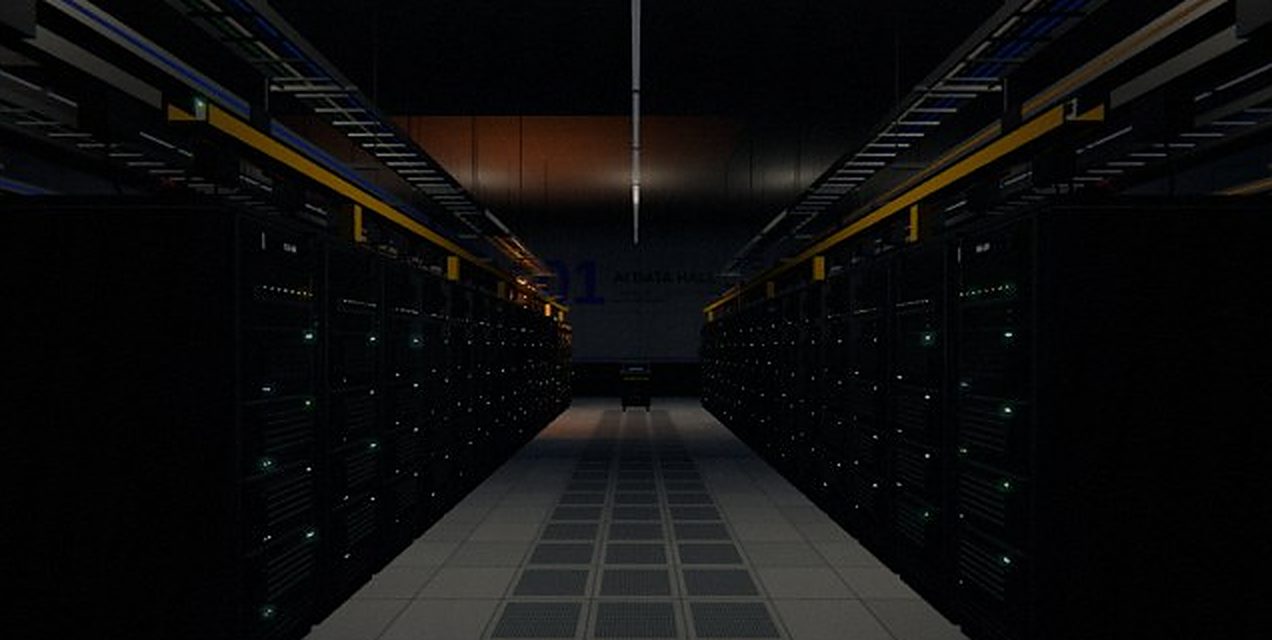
AI Infrastructure
Compute is the new heavy industry: campuses planned around power first, everything else second.
ENVIZN studies the physical systems modern life depends on: grids, data centers, fabs, and factories. It then publishes the reasoning connecting them.
ENVIZN is an independent research practice. We study the systems modern life depends on (grids, data centers, factories, buildings) and the forces rebuilding all of them at once.
The thesis is simple: AI, electrification, and automation are converging on physical infrastructure, and the next era belongs to those who understand that collision most deeply. ENVIZN exists to build that understanding: rigorously, and in public.
Grid, compute, and buildings behave as one coupled system. Analysis that ignores the coupling gets the wrong answer.
Physics and unit economics first. Conclusions follow the constraints, not the narrative.
Infrastructure moves in decades, not quarters. Forecasts that ignore lead times aren't forecasts.
Assumptions stated, numbers checked, sources named. If it can't be verified, it doesn't ship.
Essays on the companies, technologies, and constraints rebuilding the physical world. The analysis is public so the reasoning can be read, challenged, and used.
Long-form essays alongside working research outlines. Browse the full library →
The places where energy, compute, and the physical world are colliding hardest.
Compute is the new heavy industry: campuses planned around power first, everything else second.
A century-old grid meeting a generation of demand it was never designed to carry.
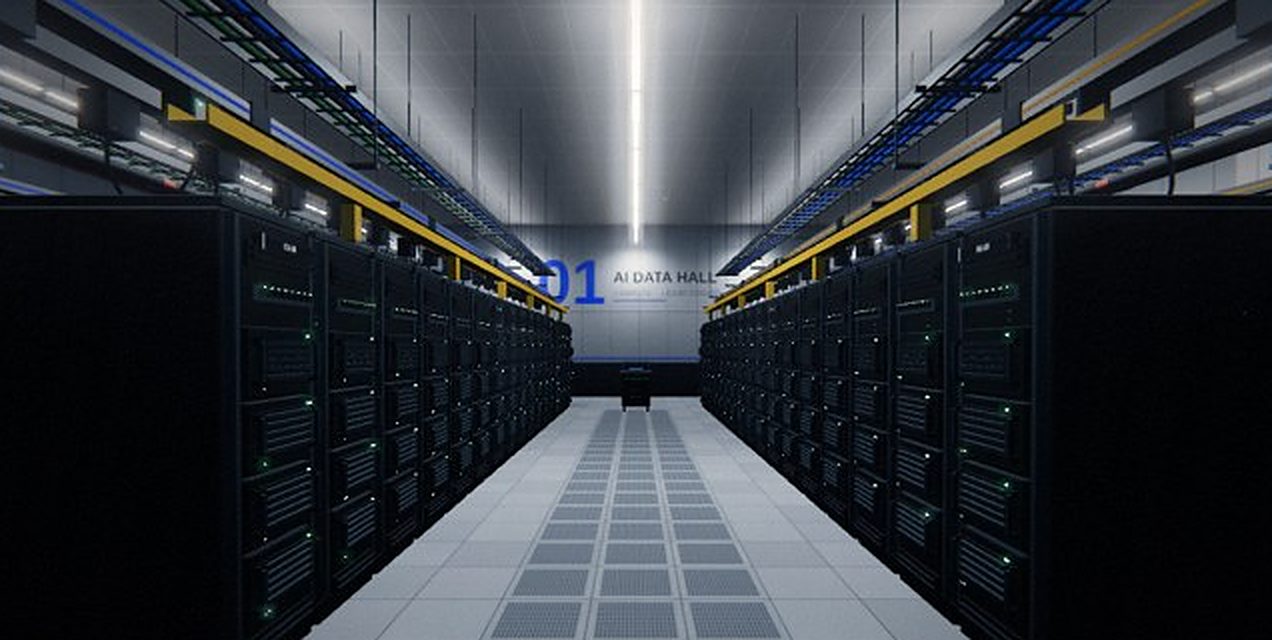
The buildings where intelligence physically lives, and a new class of demand reshaping the grids around them.
Factories that run themselves are still built by hand, and fed by the same strained grid.
Manufacturing at atomic precision, now treated as strategic territory.
Structures that sense and respond: the quiet endpoint of the whole transformation.
Ours is building compute, grids, and factories at a pace not seen in generations. Four forces explain why, and why they compound.
Global data-center electricity demand is projected to more than double by 2030, with AI-focused facilities driving much of the growth.
Transport, heating, and industry are moving onto the grid: shifting decades of energy demand into electricity.
Much of the grid is aging just as electricity demand (and the complexity of the system) are increasing.
Semiconductor fabs and advanced factories are being built again in the West: creating major new demands for power, water, and supporting infrastructure.
America's infrastructure boom, region by region. Hover a node to explore.
Region notes are editorial syntheses of public planning documents and operator data. Primary sources by region:
Map geometry: U.S. Census Bureau (via us-atlas, Albers projection). Globe coastlines: Natural Earth. Globe hubs are curated from public company announcements; arcs are illustrative relationships, not physical routes. Demand statements draw on IEA Energy & AI analysis and grid-operator forecasts.
Infrastructure outlives every trend built on top of it.
Understanding it is never wasted work.
Grid constraints, data center power, interconnection queues, fab buildouts: if you're working on it, financing it, or just thinking hard about it, the conversation is open. Strong opinions welcome. Stronger data preferred.